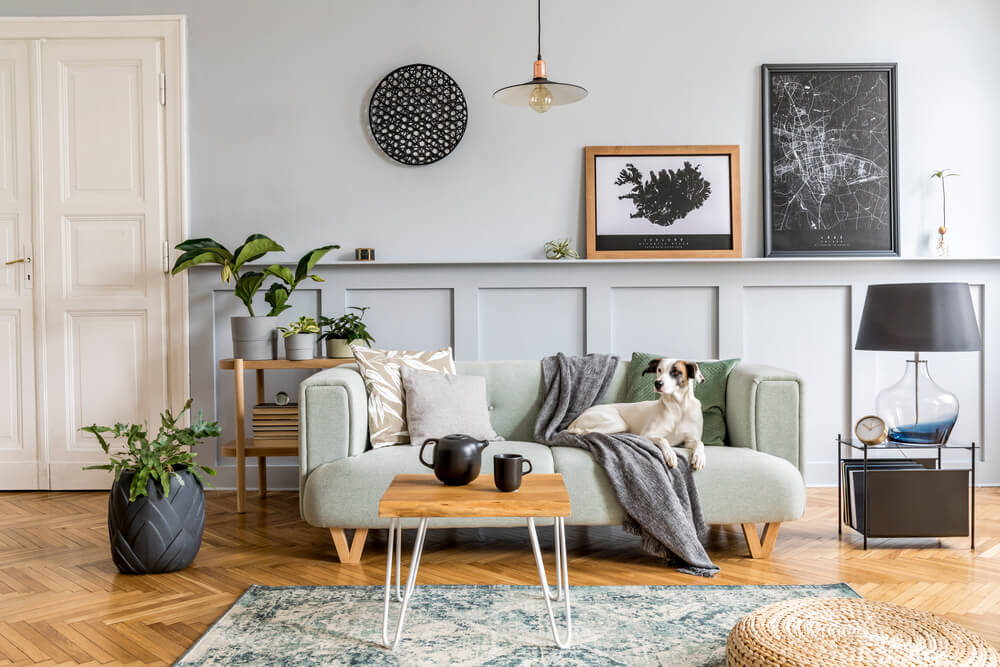
Decorations play a powerful role in shaping how a space feels, functions, and reflects personal taste. Whether it’s a cozy home, a lively celebration, or a professional setting, thoughtful decoration choices can instantly elevate the atmosphere. From subtle accents to bold statement pieces, decorations help turn ordinary spaces into memorable experiences.
Understanding the Importance of Decorations
Decorations are more than visual add-ons. They influence mood, express identity, and bring balance to a space. A well-decorated environment can feel welcoming, inspiring, or calming, depending on the intent.
Key benefits of decorations include:
-
Enhancing the visual appeal of a room
-
Creating a specific mood or theme
-
Reflecting personal style or cultural values
-
Improving comfort and functionality
Types of Decorations for Different Spaces
Home Decorations
Home decorations focus on comfort and self-expression. Every item, from furniture to accessories, contributes to the overall look.
Popular home decoration elements:
-
Wall art, mirrors, and framed photos
-
Cushions, rugs, and throws
-
Indoor plants and planters
-
Decorative lighting such as lamps and candles
Event and Festive Decorations
Decorations are central to celebrations, helping define the theme and energy of the occasion.
Common festive decoration ideas:
-
Balloons, streamers, and banners
-
Floral arrangements
-
Table centerpieces and themed props
-
Lighting accents like fairy lights
Office and Commercial Decorations
In workspaces, decorations should balance professionalism with creativity.
Effective office decoration choices include:
-
Minimalist wall décor
-
Desk organizers with aesthetic appeal
-
Branded elements and signage
-
Green plants for a refreshing touch
Decorative Styles to Consider
Choosing a decorative style helps maintain consistency across a space.
Modern Style
Characterized by clean lines, neutral colors, and minimal accessories. Ideal for uncluttered, sleek interiors.
Traditional Style
Features rich colors, classic patterns, and ornate details that create a timeless look.
Bohemian Style
A relaxed, artistic approach using layered textures, bold colors, and global influences.
Minimalist Style
Focused on simplicity, functionality, and negative space, using only essential decorative items.
Tips for Decorating Effectively
Decorating doesn’t require expensive items—just thoughtful planning.
Practical decoration tips:
-
Start with a clear color palette
-
Balance large pieces with smaller accents
-
Avoid overcrowding the space
-
Use lighting to highlight decorative features
-
Mix textures for visual interest
Sustainable and DIY Decorations
Eco-friendly decorations are gaining popularity due to their low environmental impact and creative appeal.
Ideas for sustainable decorating:
-
Reusing glass jars, wood, or fabric
-
Choosing handmade or locally sourced décor
-
Incorporating natural materials like bamboo or clay
-
Creating DIY pieces for a personal touch
Final Thoughts
Decorations are a reflection of creativity and intention. Whether subtle or bold, the right decorative choices can redefine a space and make it truly your own. By understanding styles, balancing elements, and adding personal touches, decorations become more than objects—they become expressions of lifestyle and identity.
Frequently Asked Questions (FAQs)
1. How do I choose the right decorations for my space?
Start by identifying your preferred style, color scheme, and the purpose of the space, then select items that align with those elements.
2. Can small decorations really make a difference?
Yes, even small accents like cushions, plants, or wall art can significantly change the look and feel of a room.
3. How often should decorations be updated?
There’s no fixed rule. Many people refresh decorations seasonally or whenever their preferences change.
4. Are decorations necessary in minimalist interiors?
Yes, but they should be intentional and limited to a few meaningful or functional pieces.
5. How can I decorate on a budget?
DIY projects, repurposing old items, and focusing on a few key pieces can help decorate affordably.
6. What colors work best for decorations?
Neutral colors offer flexibility, while bold colors work well as accents depending on the mood you want to create.
7. How do decorations affect mood?
Colors, lighting, and textures can influence emotions, making a space feel calm, energetic, or cozy depending on the choices made.
