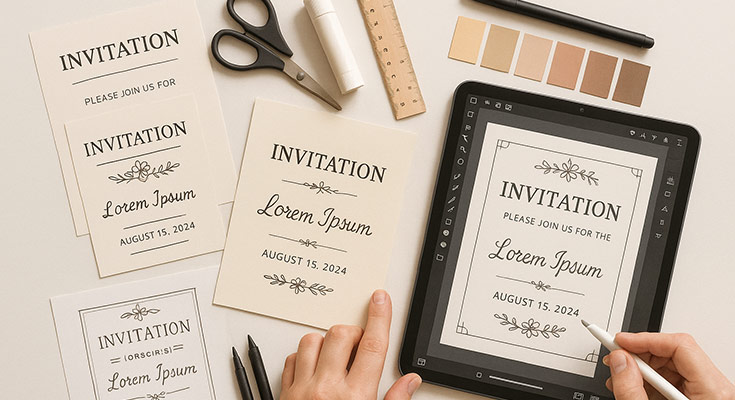
Invitations play a vital role in communication, helping hosts formally or informally request someone’s presence at an event. Whether it’s a wedding, birthday, corporate meeting, or casual gathering, a well-crafted invitation sets the tone and builds anticipation.
From traditional printed cards to modern digital formats, invitations have evolved while still serving the same essential purpose—making people feel welcomed and valued.
What Is an Invitation?
An invitation is a message that requests the presence of an individual or group at a specific event, place, and time. It can be formal or informal, depending on the nature of the occasion.
At its core, an invitation answers five key questions:
-
Who is hosting the event
-
What the event is about
-
When it will take place
-
Where it is happening
-
How guests should respond (RSVP)
Importance of Invitations
Invitations are more than simple announcements. They help create clarity, excitement, and organization.
Key reasons invitations matter:
-
Establish the tone and formality of an event
-
Provide clear details to avoid confusion
-
Help hosts manage guest lists and logistics
-
Make guests feel personally acknowledged
A thoughtfully designed invitation reflects effort and professionalism.
Types of Invitations
Different events require different styles of invitations. Choosing the right type ensures your message feels appropriate and engaging.
Formal Invitations
Used for official or ceremonial occasions, such as:
-
Weddings
-
Corporate events
-
Award ceremonies
-
Fundraisers
These typically use elegant language, structured layouts, and classic design elements.
Informal Invitations
Best for relaxed or personal gatherings, including:
-
Birthday parties
-
Family get-togethers
-
Casual dinners
-
Game nights
The tone is friendly, conversational, and flexible.
Digital Invitations
Digital invitations have become increasingly popular due to convenience and speed.
Advantages include:
-
Easy customization
-
Instant delivery
-
Cost-effectiveness
-
Simple RSVP tracking
They are ideal for both personal and professional events.
Printed Invitations
Printed invitations remain a favorite for milestone events.
Why people still choose print:
-
Tangible and memorable
-
Suitable for keepsakes
-
Adds a sense of importance
Essential Elements of an Invitation
A strong invitation always includes specific details, regardless of format.
Must-have components:
-
Host name(s)
-
Event title or purpose
-
Date and time
-
Venue or location
-
Dress code (if applicable)
-
RSVP information
Missing details can lead to confusion or poor attendance.
How to Write an Effective Invitation
Creating an invitation doesn’t have to be complicated. Focus on clarity and tone.
Step-by-Step Tips
-
Match the language to the event style
-
Keep sentences clear and concise
-
Highlight important details using bold text
-
Avoid overcrowding the design
-
Proofread for spelling and accuracy
A polished invitation leaves a strong first impression.
Invitation Design Tips
Design plays a key role in how an invitation is perceived.
Helpful design practices:
-
Choose colors that suit the occasion
-
Use readable fonts
-
Maintain proper spacing
-
Add subtle graphics or icons
-
Keep the layout balanced
Consistency between design and message strengthens the overall impact.
Common Invitation Mistakes to Avoid
Even simple invitations can go wrong if certain details are overlooked.
Avoid these common errors:
-
Missing date or time
-
Unclear location
-
Overly complex wording
-
Last-minute sending
-
Inconsistent tone
Paying attention to details ensures your invitation is effective and professional.
FAQs About Invitations
What is the best time to send invitations?
Invitations should be sent early enough to allow guests to plan. For formal events, 4–8 weeks in advance is ideal, while casual events may require less notice.
Are digital invitations acceptable for formal events?
Yes, digital invitations are increasingly accepted, even for formal events, as long as the design and wording remain elegant.
What does RSVP mean on an invitation?
RSVP requests guests to confirm whether they will attend, helping hosts plan seating, food, and logistics.
Can invitations be both formal and creative?
Absolutely. A balance of structured wording and creative design can make an invitation both respectful and memorable.
Should dress codes always be included?
Dress codes should be included when attire matters, such as weddings, galas, or themed events.
What size should an invitation image or design be?
High-quality images with at least 800px width are recommended to ensure clarity in both print and digital formats.
Is it necessary to include a deadline for RSVP?
Yes, an RSVP deadline helps hosts finalize arrangements without last-minute uncertainty.
