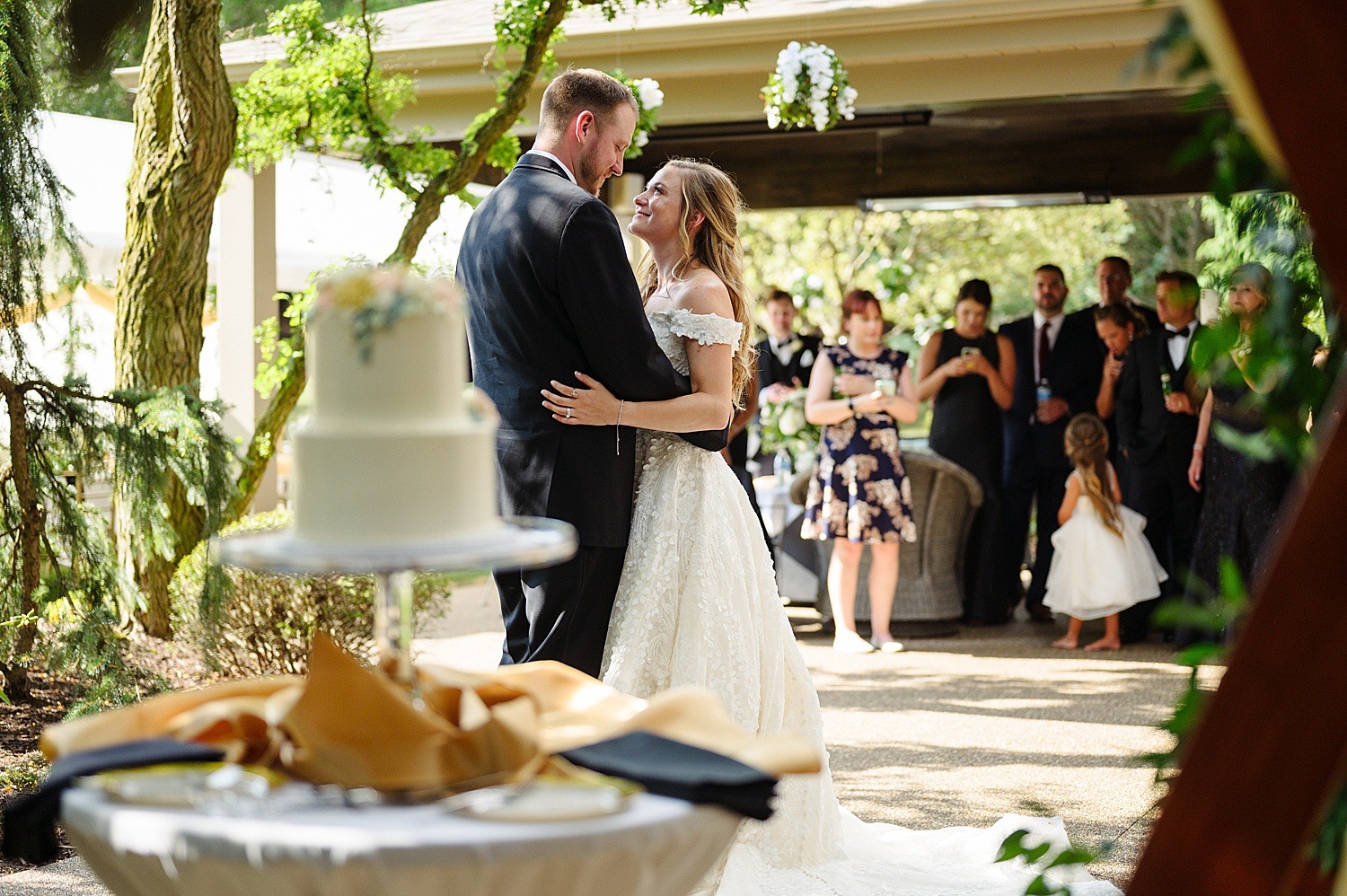
A wedding is more than a formal event—it is a deeply personal celebration that marks the beginning of a shared life. Rooted in tradition yet shaped by modern values, weddings bring together family, culture, emotions, and unforgettable moments. From intimate gatherings to grand celebrations, every wedding tells a unique love story.
The Meaning Behind a Wedding
At its core, a wedding represents commitment, partnership, and unity. While customs vary across cultures and religions, the purpose remains universal: to publicly affirm love and begin a lifelong journey together. For many couples, the ceremony is as much about honoring heritage as it is about expressing individuality.
Types of Weddings
Modern couples have more freedom than ever to design a wedding that reflects their personalities, beliefs, and lifestyle.
Traditional Weddings
These follow established cultural or religious rituals and often include formal attire, symbolic ceremonies, and extended family participation.
Destination Weddings
Held in scenic locations away from home, destination weddings combine celebration with travel, often creating a more intimate experience.
Modern and Minimalist Weddings
Focused on simplicity and personalization, these weddings emphasize clean design, meaningful details, and smaller guest lists.
Cultural and Religious Weddings
Rich in symbolism, these ceremonies highlight customs, music, attire, and rituals passed down through generations.
Key Elements of a Wedding
A successful wedding balances planning with emotion. While details vary, most weddings include these essential components:
-
Ceremony: The formal exchange of vows and promises
-
Reception: A celebration with food, music, and shared joy
-
Attire: Outfits that reflect tradition, style, or both
-
Decor: Visual elements that set the mood and theme
-
Guests: Loved ones who witness and support the union
Wedding Planning Essentials
Planning a wedding requires thoughtful organization and clear priorities. Couples often begin months in advance to ensure everything aligns with their vision and budget.
Important Planning Considerations
-
Budget management to balance dreams with reality
-
Venue selection based on guest count and atmosphere
-
Guest list creation to set the tone and scale
-
Theme and color palette for visual harmony
-
Timeline coordination to keep the day stress-free
The Emotional Side of Weddings
Beyond logistics, weddings are emotionally significant. They often mark major life transitions, blending excitement with nervous anticipation. Moments like walking down the aisle, exchanging vows, or sharing the first dance create lasting memories not just for the couple, but for everyone present.
Modern Wedding Trends
Today’s weddings often reflect evolving values and creativity. Popular trends include:
-
Personalized vows and ceremonies
-
Eco-conscious and sustainable choices
-
Intimate micro-weddings
-
Blended cultural traditions
-
Non-traditional venues and attire
These trends highlight how weddings continue to evolve while preserving their emotional essence.
Why Weddings Matter
A wedding is a powerful symbol of love made visible. It creates a shared memory, strengthens bonds between families, and sets the foundation for a future built together. Whether simple or extravagant, what truly defines a wedding is the intention behind it.
Frequently Asked Questions (FAQ)
1. How far in advance should a wedding be planned?
Most weddings are planned 9–12 months in advance, though smaller or simpler weddings can be organized in less time.
2. Is a large guest list necessary for a meaningful wedding?
No. A wedding’s meaning comes from the commitment, not the number of guests. Many couples choose intimate celebrations.
3. How can couples personalize their wedding?
Personalization can come from custom vows, meaningful music, unique decor, or incorporating shared interests and stories.
4. Are weddings required to follow traditions?
Traditions are optional. Couples can follow, adapt, or completely redefine them based on personal preference.
5. What is the most important part of a wedding day?
For most couples, the ceremony—where vows are exchanged—is the most meaningful moment.
6. How can stress be reduced during wedding planning?
Clear communication, realistic budgeting, and delegating tasks help minimize stress.
7. Can a wedding still feel special on a small budget?
Absolutely. Thoughtful details, genuine emotion, and intentional planning matter far more than expense.
